US Customer Story: From a China Factory to a US Hospital RFID Cabinet美国客户服务案例:从中国工厂到美国医院的一台RFID柜
How a single RFID smart cabinet traveled from a China factory to a US hospital, with Jingpin Hitech's cloud management supporting cross-border delivery.一台 RFID 智能柜,如何从中国工厂漂洋过海落地美国医院,京品高科以云端管理为跨国交付保驾护航。
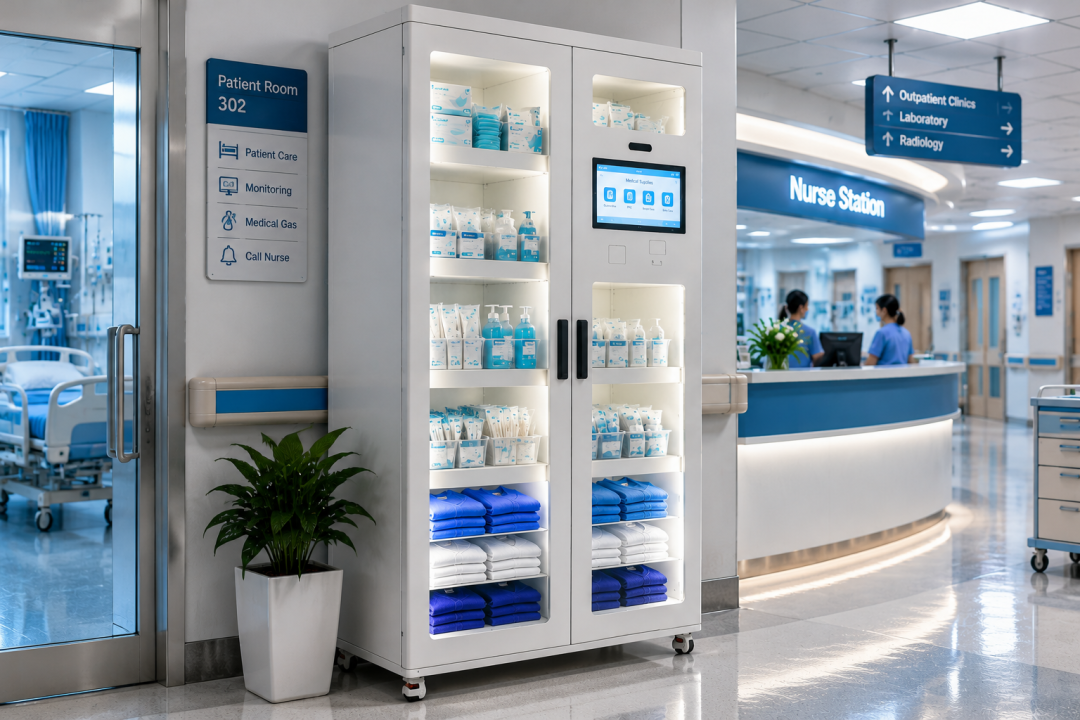
An RFID cabinet, coming off the production line at a Chinese factory and going into service in a US hospital department — how many hurdles does it have to clear?
The Functional Hurdle:Withstand the near-exacting requirements of hospital environments;
The Integration Hurdle:Speak our software system;
The Certification Hurdle:Meet all US compliance requirements for electrical equipment and wireless communications.
Recently, we have been doing exactly this. This article records how we cleared each hurdle.

01
What the US Client Wants Is Not Just a Cabinet, but Certainty
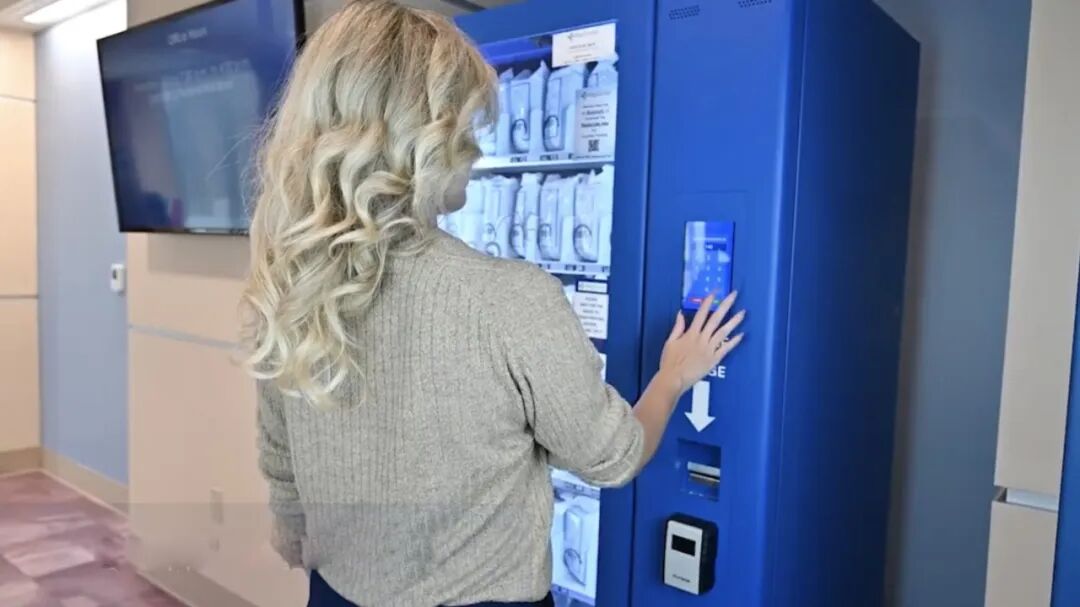
The client is a US healthcare company deploying solutions in hospitals: nurses need quick access to supplies and equipment in departments.
They already have hundreds of traditional locker cabinets, but the underlying hardware and systems cannot be upgraded, and they want to escape third-party lock-in.
At the same time, remote upgrades, fault alerts, and guaranteed quality are alsothe top three things the client values. Our role is as a software and hardware systems integrator:Jingpin Hitech does not own factories or manufacture hardware, but we help clients combine "custom software system + integration service fees + core hardware component list" into a complete solution that the client can fully control.Core components can be purchased from us or from third parties.
And so the task begins: in China, for this cabinet destined for a US hospital, first find the right supplier.
02
Hurdle 1: The Functional Hurdle — There is No "Good Enough" in Hospital Settings
For supply cabinets in hospitals, the specifications are non-negotiable.
Read accuracy must approach 100%, and inventorying 1000 items must take no more than 3 seconds— missed reads or delays are simply unacceptable in operating rooms and departments.
Before shipment, prototypes must be tested under simulated extreme conditions: cabinets filled with supplies, blocked by aluminum foil, doors left slightly ajar... only when read speed and miss rate under full load all meet the standards can they be shipped.
In our own design standards, there are two hard bottom lines: no missed reads even with the door slightly open; locks must not fail open during power outage — any breach of either is unacceptable in hospital settings.
03
Hurdle 2: The Integration Hurdle — Hardware Must "Understand" Our Software
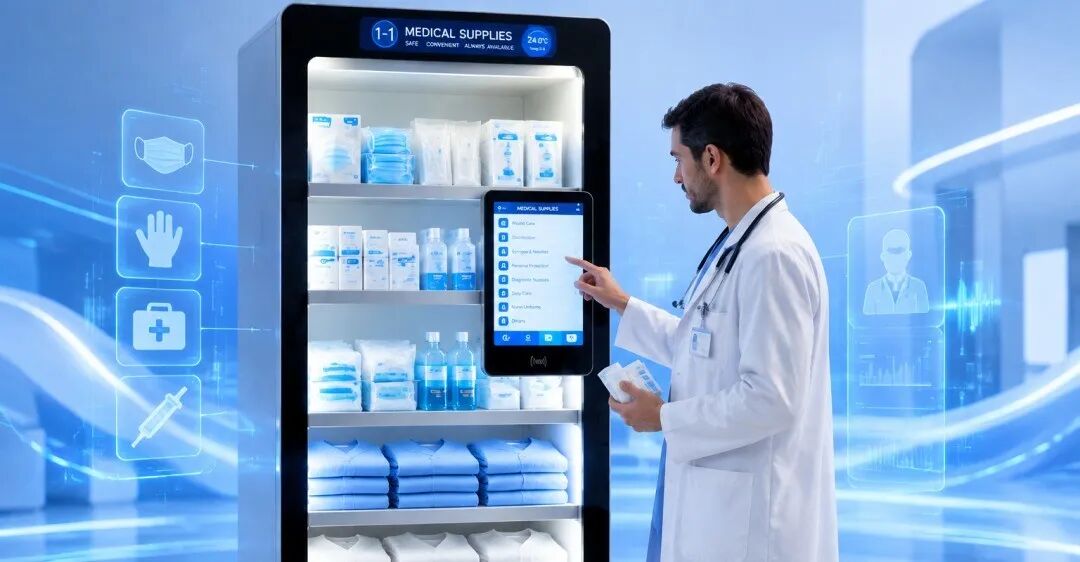
Functionality is just the baseline. When screening suppliers, there is another hard criterion: this cabinetmust integrate with our software system.
When we send out RFQs, we never ask for just a quotation, but a full package: success stories, existing cabinet solutions, product videos, pricing, and most importantly — whether it can be exported to the US and whether it has the necessary certifications.
During our research, we found a factory with a similar product form factor: their cabinets are already running in several Chinese hospitals, the longest for over a year, and the hardware has passed initial validation. But its weaknesses are equally obvious — early stage, no overseas experience, no overseas hardware certifications, and the BOM (Bill of Materials) is not fully open.
Our approach was not to give up, but to build on this factory's product to help the US client customize a device suitable for the US market — turning someone else's "semi-finished product" into the "finished product" the client needs.
04
Hurdle 3: The Certification Hurdle — First Figure Out "Electrical or Communications"
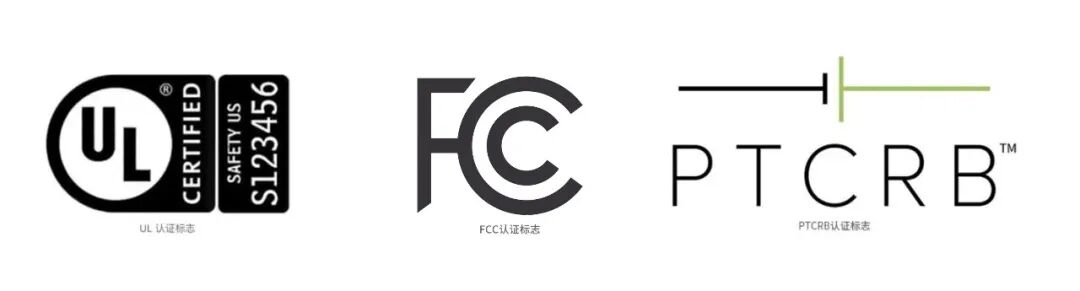
US clients have rigid compliance requirements for equipment: electrical safety must pass UL certification;Any device with wireless modules entering the US market must first pass FCC certification — the basic entry threshold for wireless devices; wireless communications must meet the network access requirements of the three major US carriers; cellular communication devices must also pass PTCRB certification — this is a North American carrier-led device network compatibility certification, and a prerequisite for devices entering carrier networks.
What makes this hurdle difficult? It's that every device must first be accurately "dissected": is it electrical or communications? Different categories require completely different certification combinations. Once the certifications are matched, suppliers must also modify the product to meet US local requirements.
Compliance is not just hardware-side; data security on the software side is equally important to hospital clients: supply and patient-relatedinformation is sensitive, so the system must be designed with transmission and storage encryption, permission-based access control, and complete audit trails.The US healthcare industry has strict requirements for health information protection (HIPAA),we have built responses to these requirements into our software product logic — this is the other half of passing the "compliance hurdle," and it is where we excel.
05
The Real Challenge: US Clients' "Precision" Eliminates Most Suppliers
Unlike Chinese clients, US clients are extremely demanding about details and quality. This one characteristic alone eliminates a large number of domestic suppliers in the first round. The remaining ones must be confirmed, inspected, and audited one by one.
How demanding are the details? Cabinets exported to the US must use 1.5mm galvanized sheet metal instead of the common 1.0mm — otherwise they may deform after long ocean shipping, with doors sagging and scraping the floor; readers must be from established brands with quality credentials, antennas must be high-end models; locks must be electric hook locks that fail safe during power outage, not electromagnetic locks; drawer slides must be heavy-duty high-end models, hinges must be anti-sag and adjustable, screws must not be exposed, welds must be smooth — these workmanship details are all to avoid equipment scratching people or suddenly failing in hospitals.
Some suppliers were eliminated outright for rough workmanship (e.g., exposed screws); low-cost components are simply not used.
The cost is time.This research, screening, and validation process consumed a great deal of time and manpower. But "slowness" and "precision" are exactly the certainty that US clients need most.
06
Why It's Worth It: The Key to Unlocking the US Hospital Market
Hospital settings demand extremely high quality, and once trust is established, it is a long-term business. There are still thousands of hospitals in the US existing market waiting to be opened up by reliable cabinets.
A cabinet that passes functional validation, software integration, and certification compliance is not just sold to one client — it gives us real entry into the US healthcare supply chain, which is a long-term passport.
For suppliers, one modification yields export qualifications and process upgrades; for clients, it is finally having equipment they can fully control; for us, it is the ability to truly connect "Made in China" with "US compliance."
For a cabinet to enter a US hospital, the difficult part is never the cabinet itself, but the word "certainty" — certainty of reliable function,certainty of software integration, certainty of complianceand market readiness.
What we do is turn these "certainties" into reality, one by one.
This path is slow, but we believe it is worth taking.
In Closing
Working on this project so far, our biggest takeaway is one sentence:The difficulty of going overseas with hardware is never in "making it," but in "getting it in."At the product level, Chinese supply chain manufacturing capabilities are unquestionable. But between "can be made" and "can enter US hospitals" lie four processes: requirements translation, standard matching, certification pathways, and product modification — each one must be scrutinized detail by detail.
For 13 years, Jingpin Hitech has been making equipment "connected and manageable." This time, we applied our precision to supply chain sourcing:The client defines "what qualifies," and we are responsible for finding it and modifying it domestically.We do not just deliver software — we walk with the client through the last mile of equipment deployment.
一台RFID柜,从中国工厂的生产线上下来,要到美国一家医院的科室里“上岗”,中间要过几道关?
功能关:扛住医院场景近乎苛刻的使用要求;
适配关:听懂我们的软件系统;
认证关:满足美国对电气设备与无线通讯的全部合规要求。
最近,我们就在做这样一件事。这篇文章,记录我们是怎么“过关”的。
01
美国客户要的,不是一台柜子,而是一套确定性
客户是一家美国医疗客户,应用场景在医院:护士们需要在科室里快速取存耗材和物品。
他们手里已经有数百台传统格子柜,但底层硬件和系统无法更新升级,他们希望可以摆脱第三方绑定。
同时,远程升级、故障告警,以及质量有保证也是客户最看重的三点。我们的角色是软硬件系统集成商:京品高科没有工厂、不做硬件,但可以帮助客户把“软件系统定制 + 集成服务费 + 硬件核心配件清单”组合成一套客户能自己掌握的完整方案。核心配件,客户可以从我们这里购买,也可以从第三方购买。
任务由此开始:在国内,为这台要进入美国医院的柜子,首先,找到对的供应商。
02
第一关:功能关,医院场景没有“差不多”
医院场景的耗材柜,指标是硬性的。
读取准确率要接近100%,1000件物品的盘点不能超过3秒——漏读、延迟,在手术室和科室里都是不能接受的。
出厂之前,样机要模拟极端场景测试:柜子堆满耗材、被铝箔遮挡、柜门留出缝隙……满负载下的读取速度、漏读率全部达标,才允许出货。
在我们自己的设计标准里,有两条是硬底线:柜门留有缝隙也不能漏读;断电时锁具不能失控——任何一条失守,在医院场景里都是不能接受的。
03
第二关:适配关,硬件要“听懂”我们的软件
功能只是底线。筛选供应商时,还有一条硬标准:这台柜子,必须适配我们的软件系统。
给供应商发询价时,我们要的从来不是一份报价单,而是一整套材料:成功案例、现有柜子的方案、产品视频、价格,以及最关键的一项——能否出口美国、是否具备相应认证。
调研中,我们找到一家产品形态接近的工厂:它的柜子已经在几家中国医院运行,最长的一家已经跑了一年,硬件经过了初期验证。但它的短板同样明显——处于早期阶段、没有海外经验、硬件没有海外认证,BOM(物料清单)也不能完全开放。
我们的做法不是放弃,而是在这家工厂的产品基础上,帮助美国客户定制一款适合美国市场的设备——把别人的“半成品”,变成客户需要的“成品”。
04
第三关:认证关,先搞清楚“电气类还是通讯类
美国客户对设备的合规要求是刚性的:电气安全要过UL认证;任何带无线模块的设备进入美国市场,都必须先通过FCC认证——这是无线设备的基础准入门槛;无线通讯要满足美国三大运营商的入网要求;蜂窝通讯设备,还要通过PTCRB认证——这是北美运营商主导的设备网络兼容性认证,也是设备进入运营商网络的前提。
这一关难在哪?难在每一款设备,都要先被准确“解剖”:它属于电类,还是通讯类?属性不同,要匹配的认证组合完全不同。匹配好认证之后,还要要求供应商对产品做相应的改造,才能满足美国当地的要求。
合规不止在硬件,软件侧的数据安全,是医院客户同样看重的一环:耗材和患者相关信息敏感,系统要在设计上做到传输与存储加密、权限分级、操作全程留痕。美国医疗行业对健康信息的保护有严格要求(HIPAA),我们把对这类要求的响应写进了软件的产品逻辑——这是整套方案过“合规关”的另一半,也是我们的强项所在。
05
真正的难点:美国客户的“较真”,筛掉了大多数供应商
和中国客户不同,美国客户对细节的要求极为严格、极其注重品质。这一个特点,就让国内一大批供应商在第一轮就被排除。剩下的,我们只能一家一家确认、验收、审核。
细节苛刻到什么程度?出口美国的柜子,钣金必须用1.5mm镀锌板,而不是常见的1.0mm——否则长途海运后可能变形、柜门下沉刮底;读写器要选有质量背书的成熟品牌,天线要用高端型号;锁具要用断电不失控的电钩锁,而不用电吸锁;导轨要可承重的高端型号,合页要防下沉可调节,螺丝不能外露、焊点必须平滑——这些工艺细节,都是为了避免设备在医院里刮伤人员、突然故障。
有供应商因为工艺粗糙(比如螺丝外露)直接被淘汰;低价配件一律不用。
代价是时间。这个调研、筛选、验收的过程,耗费了大量的时间和人力。但“慢”和“较真”,恰恰是美国客户最需要的确定性。
06
为什么值得:打开美国医院市场的钥匙
医院场景对品质的要求极高,而一旦建立起信任,就是长期生意。美国当地还有约数千家医院的存量市场,等着被一台台“靠得住”的柜子打开。
一台通过功能验证、软件适配、认证合规的柜子,不只是卖给一个客户——它让我们真正进入了美国医疗供应链,这是一张长期通行证。
对供应商来说,一次改造换来的是出口资质与工艺升级;对客户来说,是终于拥有了自己可以完全掌握的设备;对我们来说,是把“中国制造”和“美国合规”真正连接起来的能力。
一台柜子要进美国医院,难的从来不是柜子本身,而是“确定”二字——确定功能可靠、确定软件适配、确定合规可售。
我们做的,就是把这几个“确定”,一件一件落到实处。
这条路很慢,但我们认为,它值得走。
写在最后
这个项目做到现在,我们最大的体会是一句话:出海硬件的难点,从来不在"造出来",而在"进得去"。产品层面,中国供应链的制造能力毋庸置疑。但"能造"和"能进美国医院"之间,隔着需求翻译、标准匹配、认证路径、产品改造四道工序,每一道都要有人一个细节一个细节地抠。
京品高科十三年都在做设备"能联网、能管理"这件事。这一次,我们把较真的劲儿用在了供应链寻源上:客户负责定义"什么是合格",我们负责在国内把它找出来、改出来。我们不止交付软件,而是陪客户走完设备落地的最后一公里。