Deep Dive into Thailand: On-site Market Research by Jingpin Hitech深入泰国一线 京品高科海外市场调研纪实
Jingpin Hitech's team goes on-site in Thailand to research the unmanned retail landscape and localization opportunities first-hand.京品高科团队深入泰国市场一线,实地调研无人零售现状与本地化机遇,记录海外落地的真实见闻。
1 restock driver, 60km delivery radius,50active machines,59rows on the delivery sheet.
20269, the Jingpin Hitech team visited ThailandBostechclient site,going deep into warehouses, locations, and operations to complete a five-day on-site research visit.
We believe: real needs only exist on the ground.

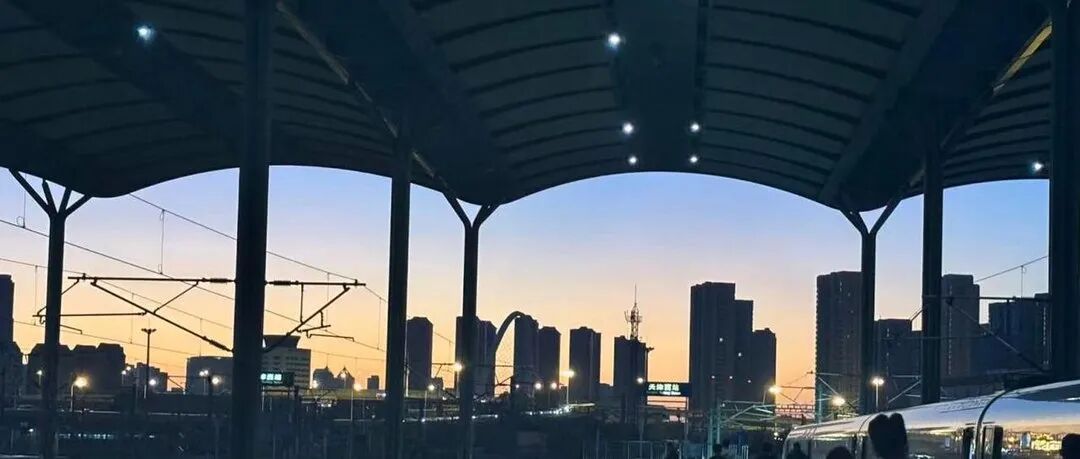
01
Research Background: Finding Answers On-site
This research trip was not a business negotiation, nor a trade show visit. Our goal was clear: observe how the client's warehouse operates, the restock driver's workflow, and consumers' actual purchasing behavior at each location.
Before departure, the team prepared complete proposals and pricing documents. But what we saw on-site quickly made us realize that —the real pain points of the client's business are hard to read from conference room materials. This judgment guided the entire five-day trip.
02
This Is a Low-Margin Business
The profit structure of the vending machine industry demands extreme operational efficiency. The margin between a case of water and a single bottle is barely visible. This business is not supported by large contracts, but accumulated from thousands upon thousands of daily actions — "selling bottle by bottle, moving case by case."
The moment we walked into the client's warehouse, this judgment became very concrete: pallets of drinks stacked nearly to the ceiling — yellow, pink, blue — all inventory waiting to be delivered bottle by bottle.
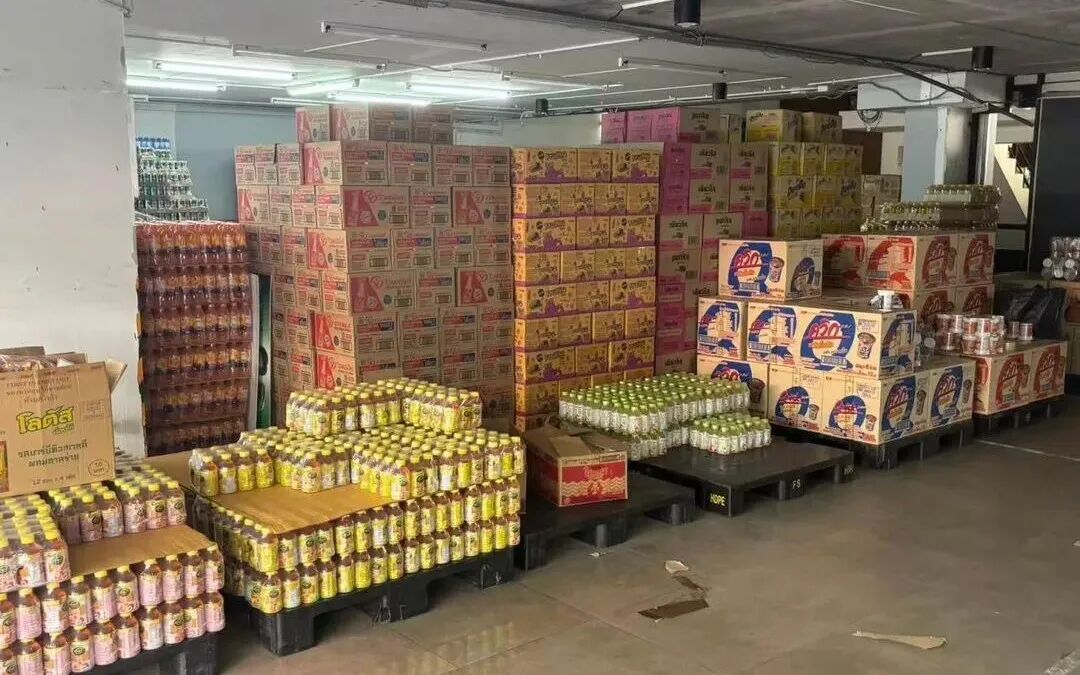
Client warehouse: drinks stacked nearly to the ceiling
What touched us even more was the most real scene of operations: at the warehouse entrance, client employees squatted on the concrete floor, pouring a bag of coins onto a mat, counting, sorting, and bagging them one by one.
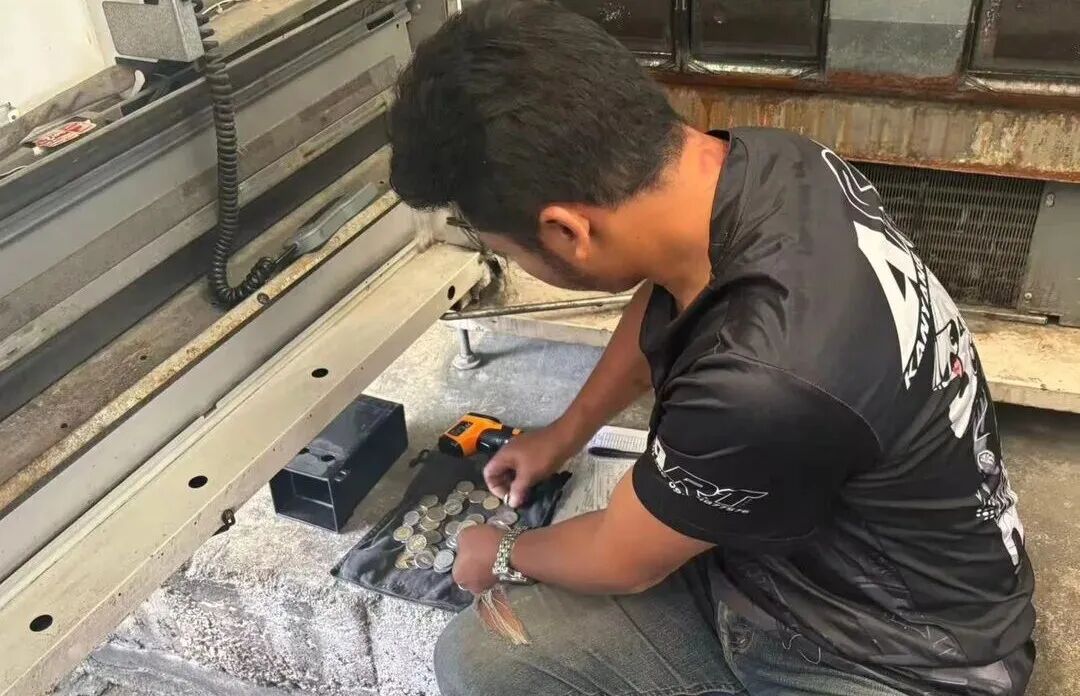
Coin counting: the most real settlement action on the operations side
In conference rooms, we are used to discussing system architecture, data pipelines, and interaction experience — one architecture diagram can fill an entire whiteboard. But on the business floor, this business is supported by every bend and count of frontline employees.The "advancedness" of technology and the "is it worth it" in client operations are two questions that must be answered simultaneously.
Every dollar the client invests must pay off in this bottle of water.
This is our measure of system value.

03
The Real Cost of One Restock Trip
The client provided us with a set of core operational data, which we record below:
Machines per driver:50 machines
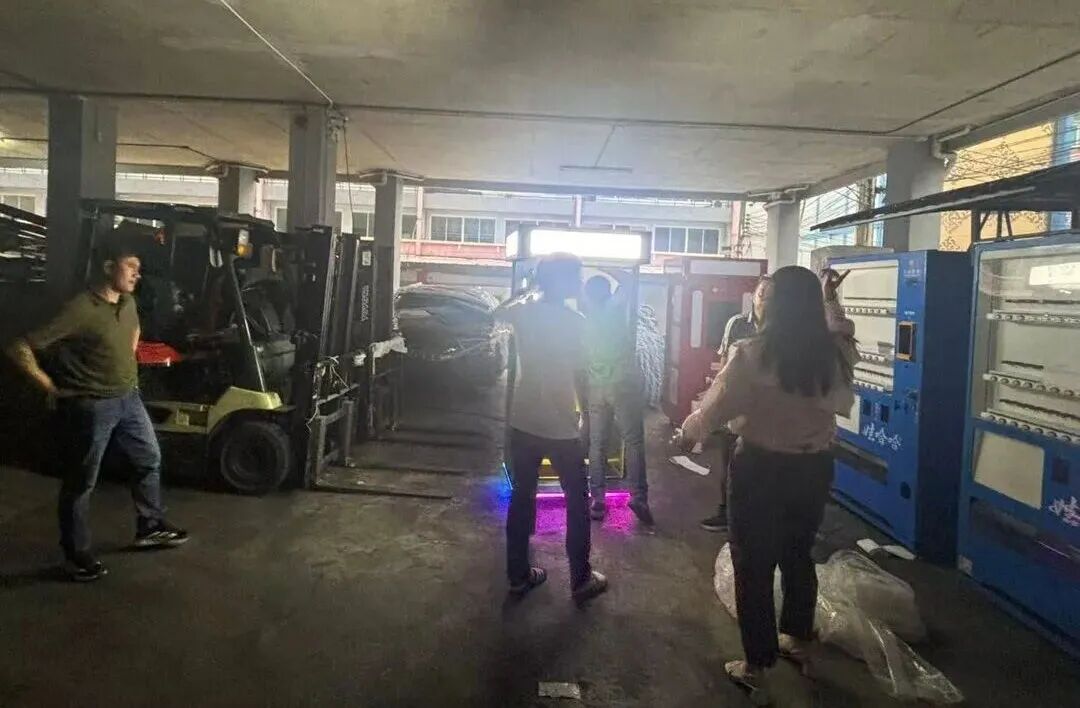
Forklift and rows of machines beside the warehouse
Calculated at a restock frequency of once every two days, one driver needs to cover over 20 locations per day: loading up at the warehouse in the early morning, traveling between locations during the day, and returning to the warehouse at night —the entire effective working day is spent on the road。
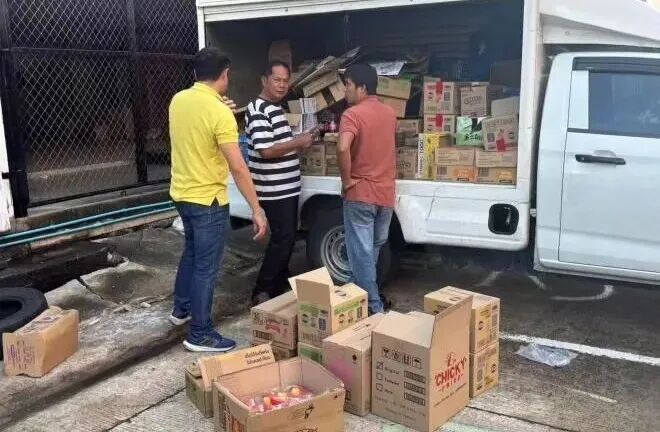
Before departure, checking each item on the delivery list
Which machine needs what, and how much, currently relies mainly on driver experience and paper sheets. We kept a typical delivery sheet —
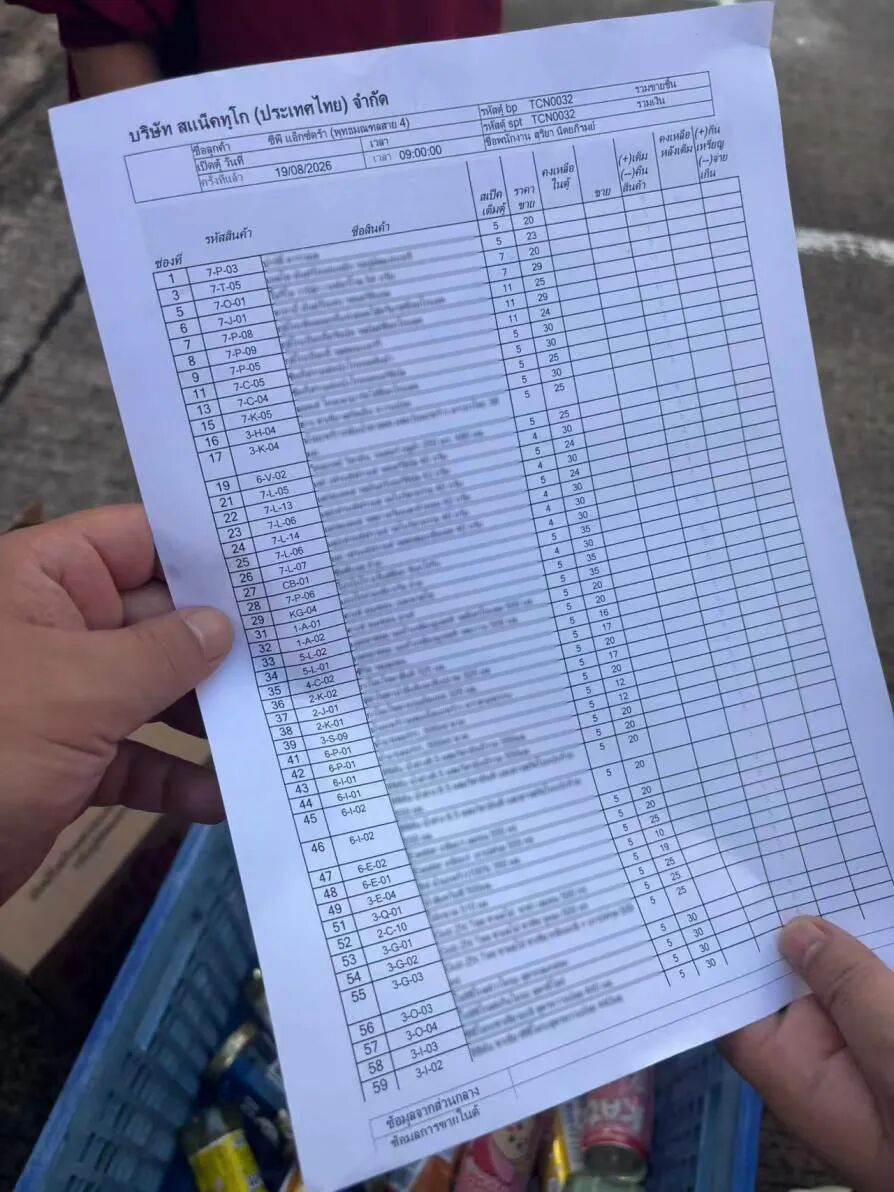
a Thai delivery sheet with item numbers up to row 59
This one sheet is a driver's entire day. Standing beside the truck, the team kept discussing the same question:

The answer to this question directly depends on the product's design philosophy. If every restock requires the driver to click three more times on the screen, enter data one more time, the system is consuming frontline efficiency.
If technology slows down or complicates frontline work, it is the system that needs improvement, not the client.
04
What clients want is not perfection, but simplicity
The next day, the client laid out their complete business logic on a whiteboard: several machine models, multiple payment methods, several restocking modes. Around that whiteboard, the team had nearly one hour of in-depth communication with the client.
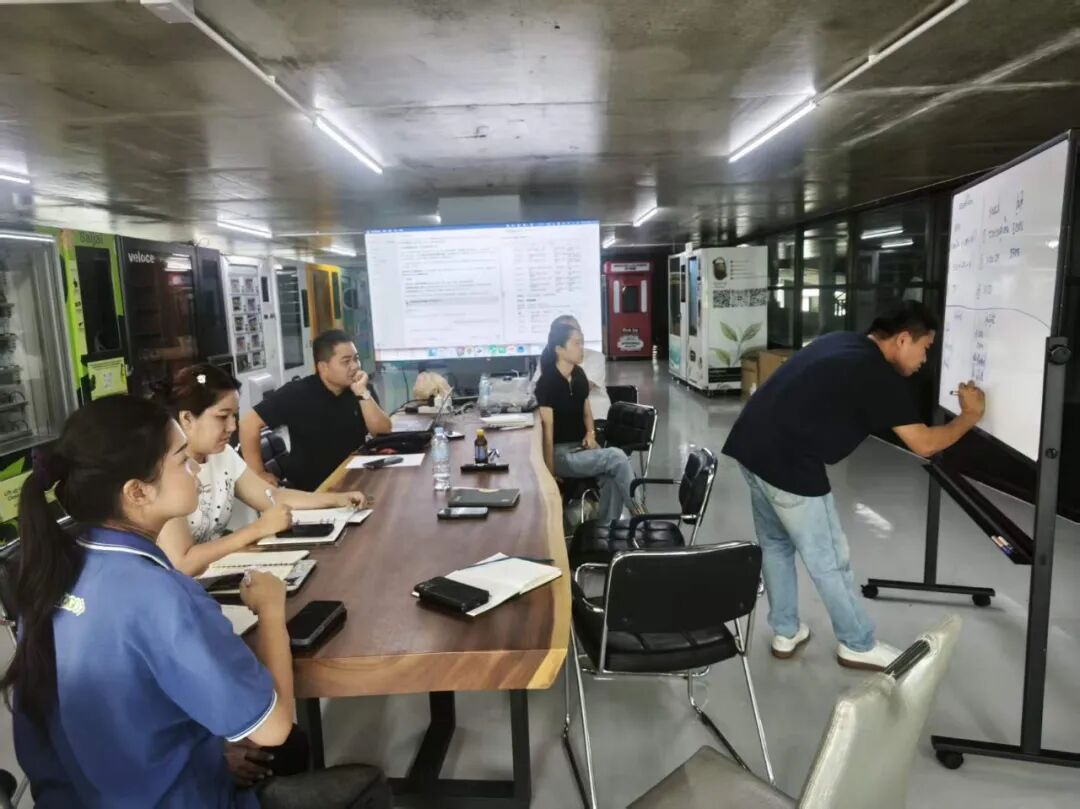
The client laying out business logic on the whiteboard
Due to the complex language environment (mixed Thai and English), both sides ultimately completed full business alignment through diagrams. It was in front of that whiteboard that we confirmed a core judgment:
will only pay for "one fewer trip, one fewer error, one fewer form."

Accordingly, the client's requirements for the system can be summarized in three points:
· Simple interface— understandable at a glance;
· Simple operation— new employees can get started within half an hour;
· Simple integration— seamlessly integrate with existing equipment and existing processes.
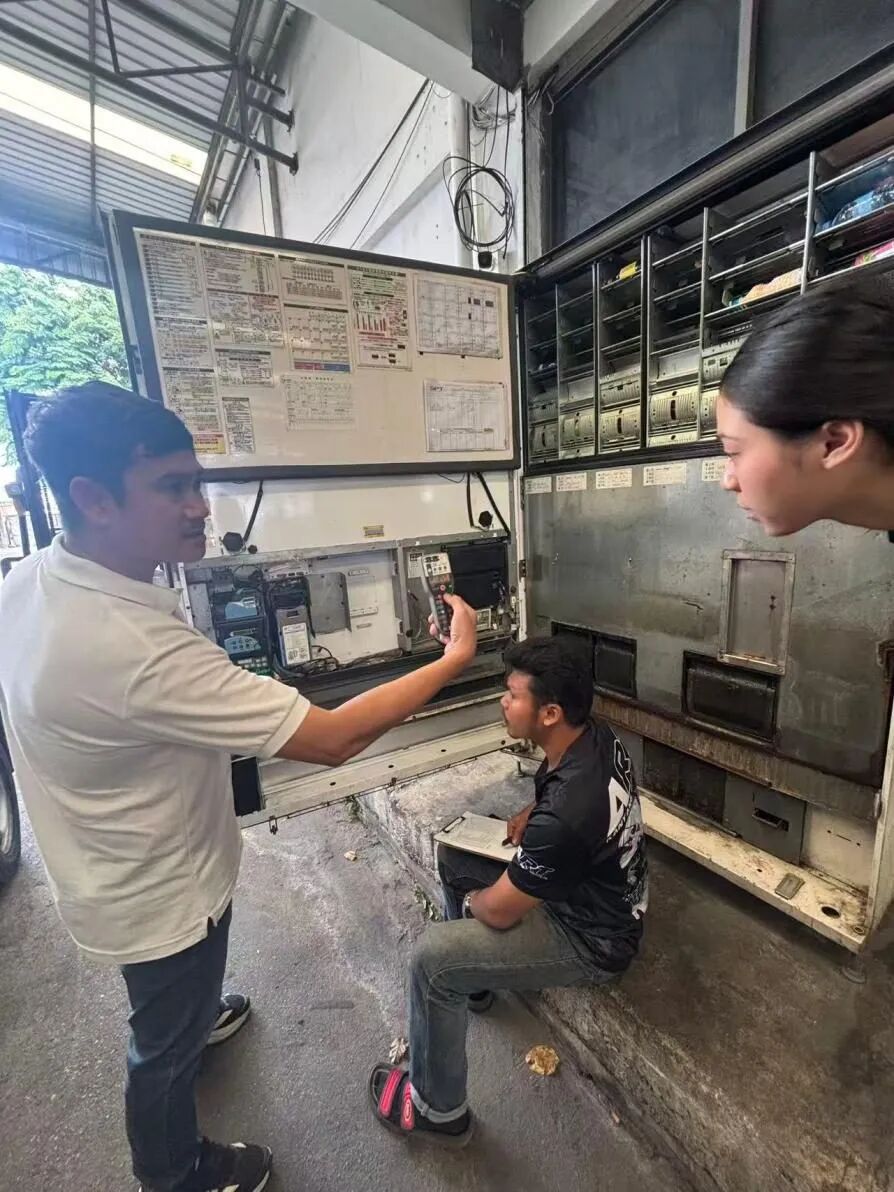
On-site disassembly of equipment electronic control parts, item-by-item verification and integration testing
System builders often have a habit: adding features — adding functions along the way, covering scenarios as an afterthought. But on-site research confirmed for us that:In this industry, subtraction is more important than addition, and also harder.
A significant portion of the requirements we brought back were subtraction requirements: remove a button, remove a confirmation, remove a menu layer. These changes seem minor in requirement documents, but at locations 60 km away, each one corresponds to a real trip, a real case of goods, a real hour.

05
Trust is built on the ground
Of the five-day trip, what impressed the team most was not technical details, but the client's open attitude.
The client accompanied us throughout the entire city, visiting locations, machine types, customer segments, and competitors. During the hottest midday hours, they took us deep into parking lots to inspect rows of machines; in shopping malls, they waited until we finished researching one location before leading us to the next.
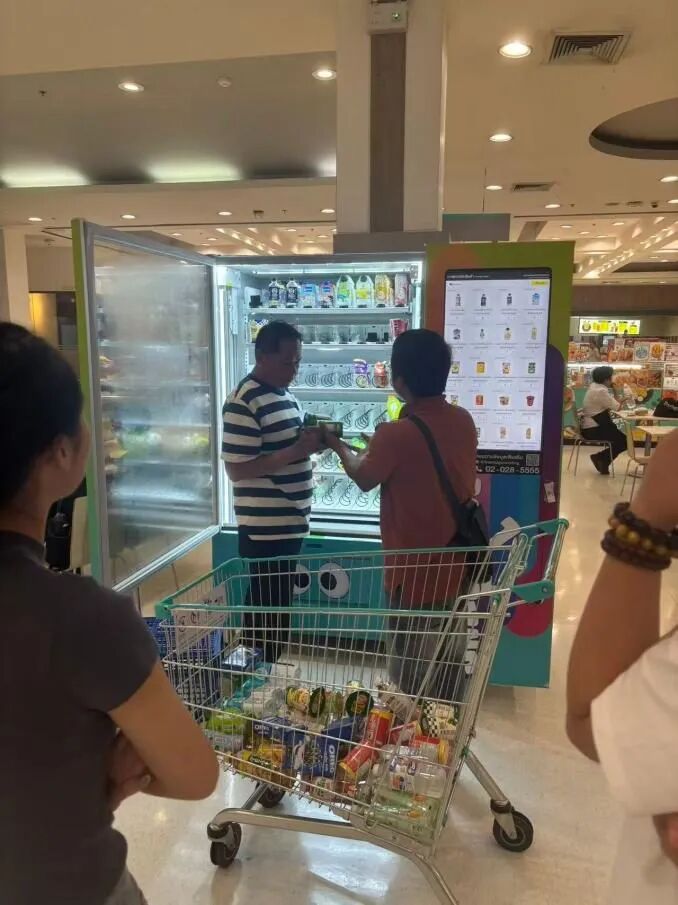
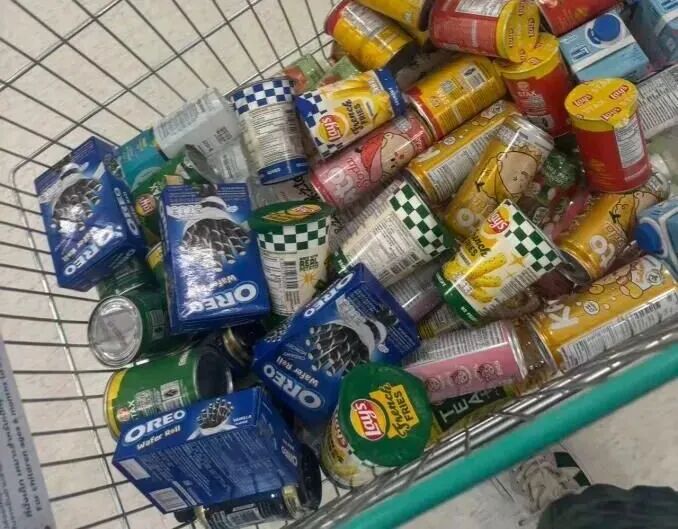
Client accompanied us to visit locations, while researching the local retail market
During the visits, the client introduced us to location partners multiple times: "This is the technical team from China, they built the system."
Behind this introduction is heavy trust — the client opened up their warehouse, locations, and documents completely to us.Trust is not built by contracts or quotations,It comes from every minute of those five days: crouching beside machines together troubleshooting, walking locations together in the heat, communicating together through gestures and diagrams.
06
Research Conclusion: The Worst Thing for Cross-Border Projects Is "Not Hearing"
Based on this research, the team formed three clear working principles:
1. Overseas client feedback is raised to the highest priority.
In a cross-timezone, cross-language context, the communication cost of a client raising a question is far higher than domestically. Willingness to give feedback means the client is still actively using the system; if feedback goes unanswered, the first time is disappointment, the second time is giving up on communicating, the third time is giving up on the product. Overseas client issues are not scheduling issues, they are survival issues.
2. Requirements come from the field, not from conference rooms.
Every requirement we brought back represents a specific person, a specific set of actions. Before initiating development, we must first answer one question —

If we cannot answer it, we hold off on initiating the project.
3. Products must first be usable, then beautiful.
Simple, stable, and easy to use — their value exceeds a longer feature list. Clients use our system in warehouses, under the sun, beside delivery trucks, not at demo meetings.
Conclusion: Getting Every Detail Right
The vending machine business, at the end of the day, is about letting people conveniently buy a bottle of water when they are thirsty. It is a small thing, but doing it well requires reliable equipment, a stable system, and a team willing to go deep into the frontline and polish every detail together with the client.
1名补货司机,60公里配送半径,50台在营设备,59行配送单据。
2026年9月,京品高科团队赴泰国Bostech客户现场,深入仓库、点位与运营一线,完成了为期五天的实地调研。
我们相信:真实的需求,只存在于现场。
01
调研背景:去现场找答案
本次调研不是一次商务谈判,也不是展会拜访。我们的目的很明确:看客户仓库的周转方式,看补货司机的作业动线,看点位上消费者的真实购买行为。
出发前,团队准备了完整的方案与报价文件。但现场的情况让我们很快意识到——客户业务的真实痛点,很难从会议室里的材料中读出来。这个判断,贯穿了此后的五天行程。
02
这是一门薄利的生意
自动售货机行业的利润结构,决定了它对运营效率的极致要求。一箱水与一瓶水之间的差价,薄得几乎看不见。这门生意不是靠大额合同支撑的,而是由成千上万次「一瓶一瓶卖出、一箱一箱搬运」的日常动作累积而成。
走进客户仓库的那一刻,这个判断变得非常具体:饮料一托一托码放至接近天花板,黄色、粉色、蓝色,全部是等待被逐瓶配送出去的库存。
客户仓库:饮料码放至接近天花板
更触动我们的,是运营环节最真实的一幕:仓库门口,客户的员工蹲在水泥地上,将一袋硬币倒在垫子上,逐一清点、分类、装袋。
硬币清点:运营端最真实的结算动作
在会议室里,我们习惯讨论系统架构、数据链路与交互体验,一张架构图可以写满整块白板;而在业务现场,这门生意是由一线员工的每一次弯腰与清点支撑起来的。技术的「先进」与客户运营中的「值不值」,是两个必须同时回答的问题。
客户的每一分投入,都必须能从这一瓶水里得到回报。
这是我们对系统价值的衡量标准。
03
一趟补货的真实成本
客户向我们提供了一组核心运营数据,我们记录如下:
单名司机负责设备:50 台
仓库一旁的叉车与整排设备
按两天补货一次的频率测算,一名司机每天需要覆盖二十余个点位:清晨在仓库完成装车,白天在各点位之间穿行,夜间返仓——全天的有效工作时间都在路上。
出车前,逐项核对本趟配送货品
哪台设备缺什么、缺多少,目前主要依赖司机的经验与纸质单据。我们留存了一份典型的配送单——
一页泰文配送单,序号排至第 59 行
这页单据,就是一名司机一整天的行程。站在货车旁,团队反复讨论的是同一个问题:
这个问题的答案,直接取决于产品的设计取向。如果每一次补货,司机都需要在屏幕上多点击三次、多录入一遍数据,系统就是在消耗一线的效率。
如果技术让一线变慢、变繁琐,那需要改进的是系统,而不是客户。
04
客户要的不是完美,是简单
调研次日,客户在白板上完整梳理了自身的业务逻辑:几套机型、多种支付方式、若干补货模式。团队围绕这块白板,与客户进行了近1个小时的深入沟通。
客户在白板上梳理业务逻辑
由于语言环境复杂(泰文、英文混用),双方最终依靠图示完成了完整的业务对齐。正是在这块白板前,我们确认了一个核心判断:
只会为「少跑一趟、少错一单、少填一次表」付费。
据此,客户对系统的诉求可以归纳为三点:
· 界面简单——看一眼就懂;
· 操作简单——新员工半小时内可上手;
· 适配简单——与现有设备、现有流程无缝衔接。
现场拆解设备电控部分,逐项核对联调
系统建设者常有一个惯性:做加法——功能顺手加上,场景顺便覆盖。但现场调研让我们确认:在这个行业,做减法比做加法更重要,也更难。
本次带回的需求中,相当一部分正是减法需求:减少一个按钮、减少一次确认、减少一层菜单。这类改动在需求文档中并不起眼,但在 60 公里外的点位上,每一项都对应着实实在在的一趟车、一箱货、一小时。
05
信任是现场攒出来的
五天行程中,令团队印象最深的不是技术细节,而是客户的开放态度。
客户全程陪同我们走访了全城的点位、机型、客群与竞品,正午最热的时段,带我们深入停车场查看整排设备;在商场里,等我们完成一个点位的调研后,再带往下一处。
客户陪同走访点位,同步调研当地零售市场
走访过程中,客户多次向点位合作方介绍我们:「这是来自中国的技术团队,系统是他们做的。」
这份介绍背后是沉甸甸的信任——客户将自身的仓库、点位、单据全部向我们开放。信任不是由合同或报价单建立的,它来自五天里一起蹲在设备旁排查、一起顶着高温走点位、一起用手势和图纸完成沟通的每一分钟。
06
调研结论:跨国项目最怕「没听见」
结合本次调研,团队形成三条明确的工作原则:
一、海外客户反馈,优先级调至最高。
跨时区、跨语言的背景下,客户提出一个问题所付出的沟通成本,远高于国内。愿意反馈,意味着客户仍在认真使用系统;反馈若得不到响应,第一次是失望,第二次是放弃表达,第三次就是放弃产品。海外客户的问题,不是排期问题,而是存亡问题。
二、需求从现场来,不从会议室来。
本次带回的每一条需求,背后都是一个具体的人、一套具体的动作。立项开发之前,必须先回答一个问题——
回答不上来,就暂缓立项。
三、产品先要好用,然后再好看。
简单、稳定、易上手,其价值高于更长的功能列表。客户是在仓库里、在太阳下、在货车旁使用我们的系统,不是在演示会上。
结语:把每个细节做好
自动售货机的生意说到底,就是让人在口渴的时候,能顺手买到一瓶水。事情很小,但做好它,需要可靠的设备、稳定的系统,以及一支愿意深入一线、与客户共同打磨每个细节的团队。