ASEAN SHOP 2026: What We Learned About Southeast Asia's Unmanned Retail MarketASEAN SHOP 2026:东南亚无人零售出海,我们看到了什么
From the ASEAN SHOP 2026 exhibition, the latest trends, demands and opportunities for unmanned retail expansion in Southeast Asia.从 ASEAN SHOP 2026 展会现场,看东南亚无人零售出海的最新趋势、需求与机会。
Recently, the Southeast Asia Retail and Self-Service Equipment Exhibition was held in Kuala Lumpur, Malaysia. As an important industry exhibition focusing on vending, self-service, and smart retail, Jingpin Gaoke was invited to attend.
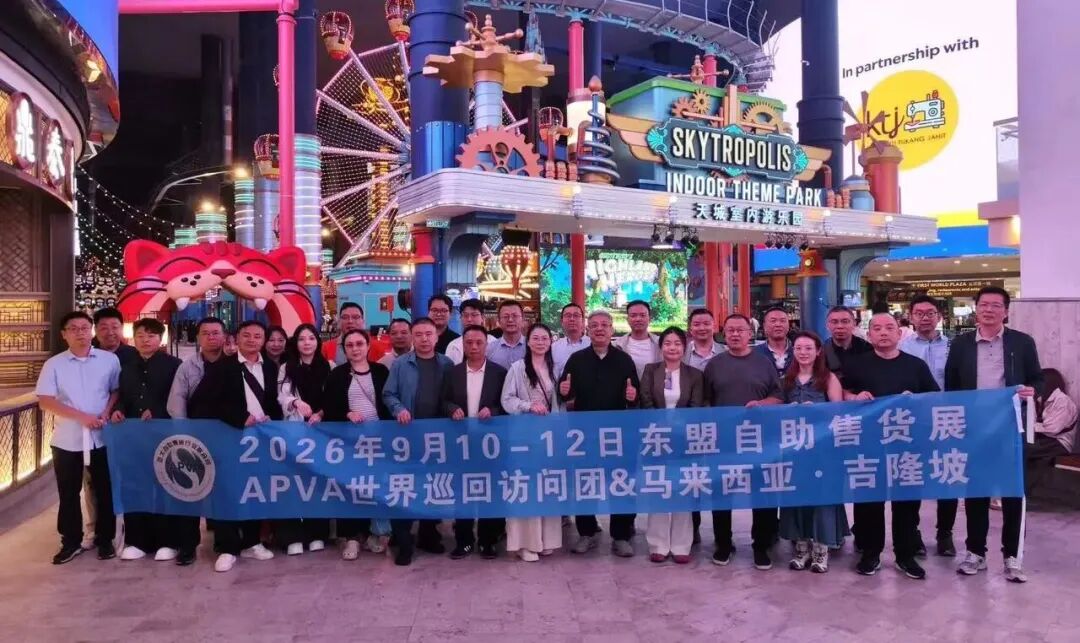
*APVA organized our participation in ASEAN SHOP 2026 + Genting Highlands visit
Through on-site exchanges with local equipment manufacturers, operators, and industry partners, we can clearly feel that:Southeast Asia's vending market is entering a rapid development stage,Industry competition is also gradually shifting from "equipment competition" to "digital operation competition."
Intelligence and digitalization become hot topics at the exhibition
A guest speaker from India at the exhibition forum. As India's largest unattended retail locker network, what they talked about was not "how cool the machines are," but ratherIntelligence and Digitalization: inventory, transactions, and operations are all online, with data driving product selection and restocking.
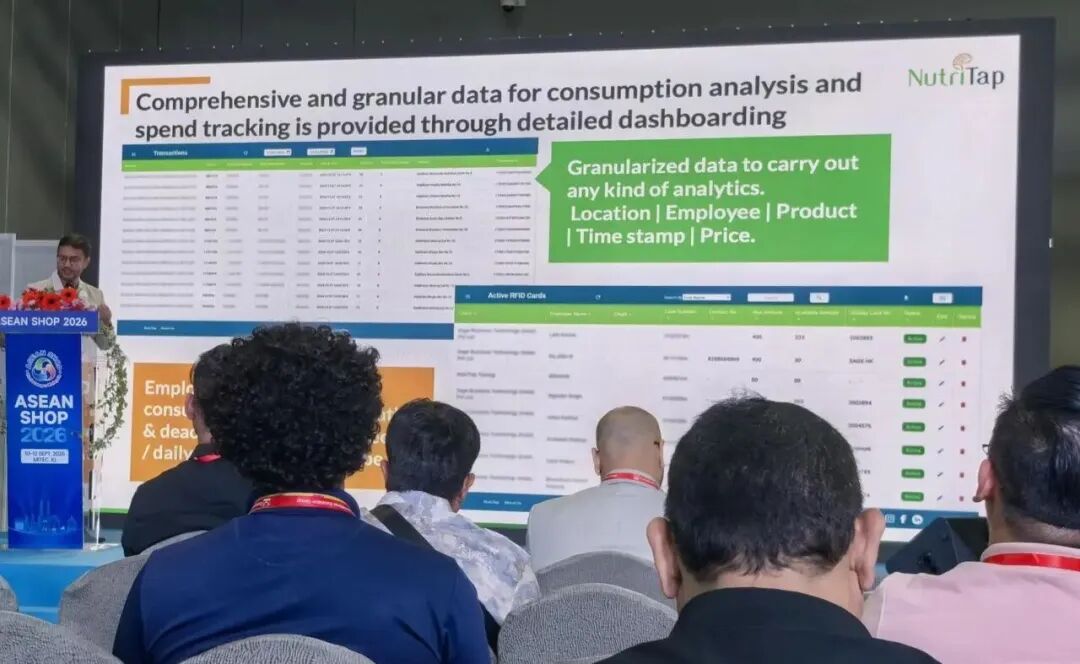
*NutriTap guest shares intelligence and digitalization at the forum
This aligns with our thinking — hardware is just the entry point, and the real barrier is the backend operation system.
Industry competition shifts from equipment to operations
As the number of devices continues to increase, operators' focus is also starting to shift.
What to sell? Where to sell? How to restock? Which products sell best? How to reduce operational costs?
Therefore, digital capabilities such as device connectivity, inventory management, sales data analysis, remote operations and maintenance, and intelligent product selection are becoming new competitive advantages in the vending industry. A vending machine not only needs to "be able to sell products," but also needs to use continuously generated sales data to help operators understand consumer demand and optimize product mix, thereby improving single-machine operational efficiency.
Vending scenarios continue to diversify
Currently, Southeast Asia's vending market is still in its growth stage. Malaysia, Thailand, Vietnam, Singapore, Indonesia, and other countries have different consumption habits and market environments, but unattended retail application scenarios are continuing to expand. Vending is entering more scenarios such as shopping malls, office buildings, schools, hospitals, transportation hubs, communities, and tourism.
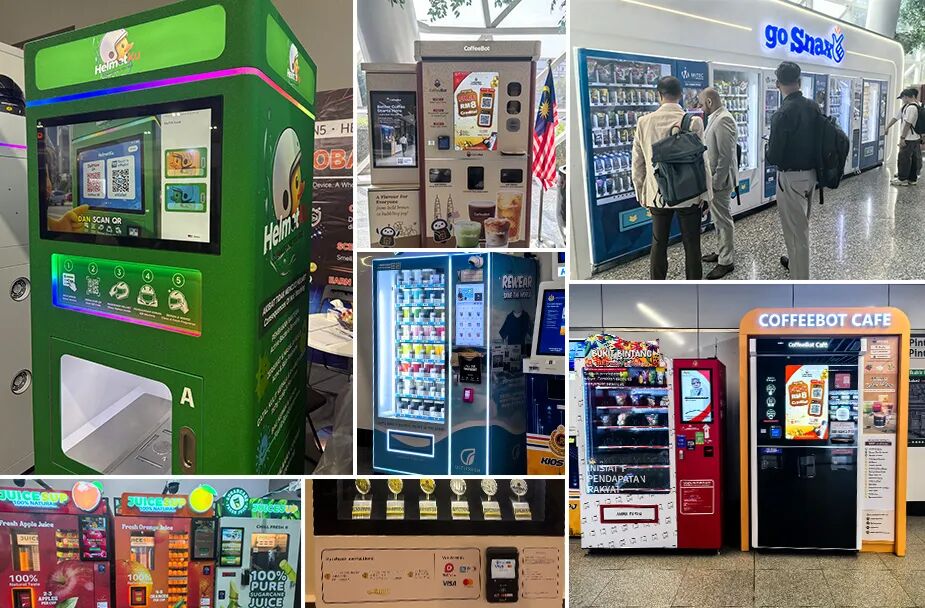
At the same time, the popularity of mobile payment and QR code payment is also lowering the barrier to unattended consumption. Consumers can quickly complete transactions via their phones, making vending more naturally integrated into daily consumption.
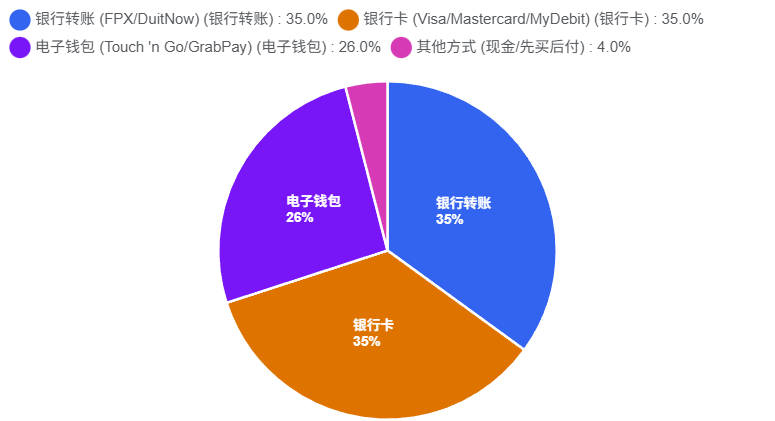
QR code payment is already Malaysians' primary payment method:
Unattended retail going overseas: get payment right first, then machines sell themselves
Devices need to support DuitNow QR and Touch 'n Go, and make the 'scan-and-go' experience familiar to local users, to truly lower the usage barrier and dilute operational costs. Without localized payment, even the best hardware will lose out on conversion rates.
This is also what we have been working on — making multi-payment channels (including mainstream Southeast Asian QR codes and e-wallets) a configurable standard capability in the backend, so that when a machine goes overseas, payment doesn't have to be "reinvented."
Southeast Asia is becoming a new growth market
This exhibition further showed Jingpin Gaoke that Southeast Asia's vending industry is releasing new market opportunities.For Chinese companies, going overseas is no longer just about equipment export, but also about exporting software, technology, and digital operation capabilities. The digital experience accumulated by China's vending industry has the potential to form new combinations with Southeast Asian local markets.
The takeaways from this Malaysia trip go far beyond just a few machines at the exhibition. During this visit invited by APVA, from channel meetings in Genting to the details of various machines on display, and the payment and product selection differences across different Southeast Asian markets, all deserve separate discussion.In the next article, we will continue to share more insights from this Malaysia trip — stay tuned.
近日,东南亚零售与自助设备展在马来西亚吉隆坡举行。作为聚焦自动售卖、自助服务及智慧零售领域的重要行业展会,京品高科受邀参加本次展会。
*APVA 组织我们参展 ASEAN SHOP 2026 + 云顶高原参观活动
通过展会现场与当地设备厂商、运营商及行业伙伴的交流,可以明显感受到:东南亚自动售卖市场正在进入快速发展阶段,行业竞争也正在从“设备竞争”逐渐走向“数字化运营竞争”。
智能化与数字化成为展会上谈论热点
展会论坛上一位来自印度的嘉宾的分享。作为印度最大的无人零售货柜网络,他们讲的核心不是「机器多酷」,而是智能化与数字化:库存、交易、运维全部线上化,靠数据驱动选品和补货。
*论坛上NutriTap 嘉宾分享智能化、数字化
这跟我们的思路一致——硬件只是入口,真正的壁垒在后台的运营系统。
行业竞争从设备走向运营
随着设备数量不断增加,运营商关注的重点也开始发生变化。
卖什么?在哪里卖?如何补货?哪些商品畅销?如何降低运营成本?
因此,设备联网、库存管理、销售数据分析、远程运维以及智能选品等数字化能力,正在成为自动售卖行业新的竞争力。一台售卖机不仅需要“能够卖货”,还需要通过持续产生的销售数据,帮助运营者了解消费者需求、优化商品结构,从而提升单机运营效率。
自动售卖场景不断丰富
目前,东南亚自动售卖市场仍处于成长阶段。马来西亚、泰国、越南、新加坡、印度尼西亚等国家拥有不同的消费习惯和市场环境,但无人零售的应用场景正在持续扩大。自动售卖正在进入商场、办公楼、学校、医院、交通枢纽、社区及旅游等更多场景。
与此同时,移动支付和二维码支付的普及,也正在降低无人消费的使用门槛。消费者可以通过手机快速完成交易,让自动售卖更加自然地融入日常消费。
扫码支付,已经是马来西亚人的第一支付方式:
无人零售出海,先把支付接对,机器才好卖
设备要能接 DuitNow QR、接 Touch 'n Go,把「扫码即走」的体验做成本地用户熟悉的样子,才能真正降低使用门槛、摊薄运营成本。支付做不到本地化,再好的硬件也会在转化率上吃亏。
这也是我们一直在打磨的事——把多支付渠道(含东南亚主流 QR 与电子钱包)做成后台可配置的标准能力,让一台机器出海时,支付不用再「重新造轮子」。
东南亚,正在成为新的增长市场
此次展会让京品高科进一步看到,东南亚自动售卖行业正在释放新的市场机会。对于中国企业而言,出海也不再只是设备出口,更是软件、技术和数字化运营能力的输出。中国自动售卖行业积累的数字化经验,有望与东南亚本地市场形成新的结合。
马来西亚之行的收获,远不止展会上那几台设备。受 APVA 邀请的这次走访里,从云顶的渠道碰面,到展台上各家设备的细节,还有东南亚不同市场的支付与选品差异,都值得单独掰开讲。下一篇,我们会继续详解这次马来西亚的更多见闻——欢迎关注。